
Sustainable Business Practices
Mar 11, 2025
Shahriar Saimun
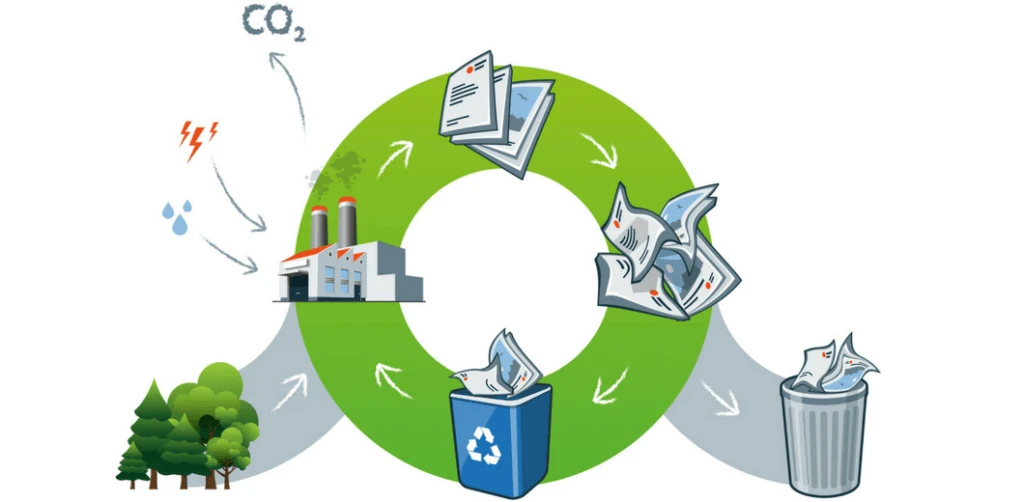
Sustainability is at the forefront of consumer and corporate agendas. This blog will delve into how businesses can adopt circular economy principles to minimize waste, reuse resources, and create environmentally friendly products, thereby meeting the growing demand for sustainable practices.
Sustainable Business Practices: Embracing the Circular Economy
Introduction
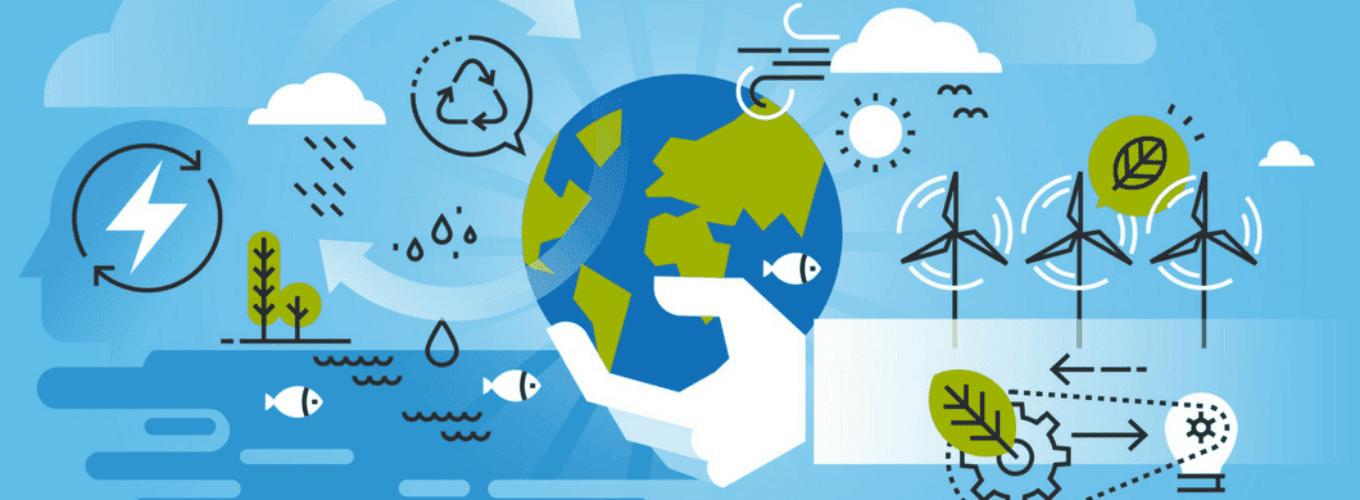
Sustainability is no longer just a buzzword—it's a necessity for businesses looking to thrive in the modern world. As environmental concerns rise and consumer preferences shift towards eco-friendly products, businesses are exploring new ways to reduce waste and increase sustainability. One of the most effective approaches gaining momentum is the circular economy.
What is the Circular Economy?
The circular economy is a system that emphasizes the reuse, repair, refurbishment, and recycling of products and materials. Instead of the traditional "take-make-dispose" model, it encourages businesses to consider the entire lifecycle of a product, from design to disposal, ensuring minimal waste and maximum resource efficiency.
Key Principles of the Circular Economy
Design for Longevity
Products are designed to last longer, be easily repaired, or have components that can be replaced, thus reducing the need for constant replacements.Maintain and Extend Product Life
Businesses can offer services like repair and refurbishing, ensuring that products are used for a longer period before being discarded.Rethink Waste
Rather than viewing waste as an end product, businesses in a circular economy see waste as a resource that can be reused or repurposed.Promote Recycling and Reuse
Recycling is encouraged, and products or their components are designed to be recyclable, reducing the demand for raw materials and limiting landfill waste.
Why Embrace the Circular Economy?
Adopting circular economy practices benefits businesses in numerous ways:
Environmental Impact: Reducing waste and conserving resources is critical in combating climate change and preserving ecosystems.
Cost Reduction: By reusing materials and extending the life of products, businesses can significantly lower production costs and reduce the need for new raw materials.
Consumer Appeal: With increasing environmental awareness, consumers are more likely to support businesses that prioritize sustainability and responsible sourcing.
Innovation: The circular economy encourages innovation, from new business models to creative product design, all of which can set a company apart from competitors.
How Businesses Can Adopt Circular Economy Practices
Practice | Action | Impact |
|---|---|---|
Product Design | Design for durability, ease of repair | Longer product lifespan, fewer replacements |
Product Takeback Schemes | Offer take-back services for old products | Recovery of materials, reducing landfill waste |
Recycling Programs | Encourage customers to return used products | Lower raw material costs, eco-friendly approach |
Collaboration with Suppliers | Use recycled materials in production | Reduces waste, cuts down on resource extraction |
Energy Efficiency | Optimize production processes for energy use | Lower energy consumption, reduced carbon footprint |
Challenges in Implementing the Circular Economy
While the circular economy offers numerous advantages, businesses face several challenges in adopting this model:
High Initial Investment: Transitioning to circular systems may require significant upfront costs, such as redesigning products or creating take-back schemes.
Supply Chain Adjustments: Sourcing recycled or sustainable materials may be more complex than relying on conventional supply chains.
Consumer Education: Educating consumers about the benefits of circular economy products and practices can take time.
Conclusion
The circular economy is a win-win for both businesses and the planet. By embracing sustainable practices, companies can reduce their environmental impact, lower costs, and attract eco-conscious consumers. As more businesses make the shift to circular models, we can look forward to a future where sustainability is at the heart of economic growth.
Related Post

Leave a Comment